FROM TRIAL BY TRACE · CASE 02
A correct answer can hide a missing error signal.
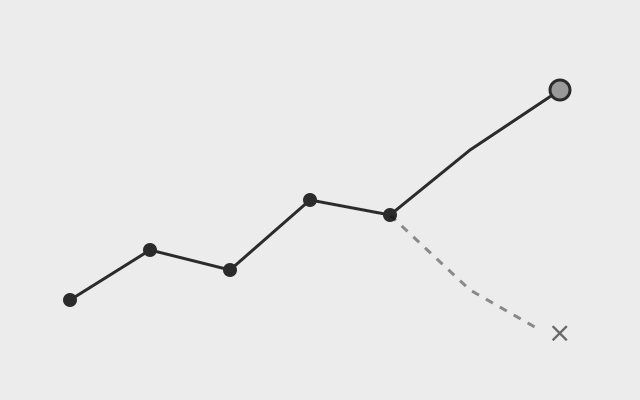
In a selected comparison using the same model, both agents correctly reported that a command exited with code 23. Yet the post-tool observer recorded a structured failure in one run, while the other had a null exit code and an error flag set to false.
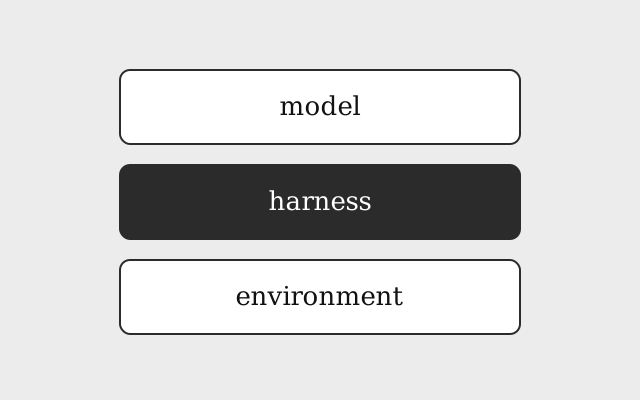
Both task reports passed their checks; the harness assessments differed. This is why TraceTrial-Bench examines the execution evidence alongside the final answer. The case illustrates a distinction, rather than estimating how often it occurs.
Read the trace comparison · report p. 68 →